The VGVAPG hexapeptide sequence constitutes an endogenously occurring repeating motif within the hydrophobic domain of tropoelastin, the soluble precursor to elastin. This sequence is present as a repeating hexapeptide unit approximately six times within the tropoelastin polypeptide backbone, where it contributes to the characteristic spring-like elastic recoil properties of the mature elastin fiber.[1]
Research suggests that VGVAPG may function as a matrikine, a bioactive peptide fragment released upon extracellular matrix (ECM) degradation that may signal to resident dermal cells through specific cell surface receptor engagement.[6] Biopeptide EL is investigated primarily as a research tool for studying elastin-binding protein (EBP)-mediated signaling and its downstream relevance to fibroblast activity, ECM protein synthesis, and dermal structural biology.
Contents:
- Proposed Mechanism of Action
- Scientific Research and Studies
- VGVAPG as a Fibroblast and Monocyte Chemotaxin: Foundational Characterization
- VGVAPG-Mediated Fibroblast Proliferation and Elastin Expression: Dual Regulatory Observations
- Elastin-Binding Protein Receptor Characterization and EBP Deficiency in Fibroblast Models
- Matrikine Signaling Concept and ECM-Derived Regulatory Biology
- Dermal Penetration and Stratum Corneum Permeation of Biopeptide EL
- Biopeptide EL and ECM Protein Synthesis: Clinical Data Summary
- References
Featured Product
Proposed Mechanism of Action
The primary proposed receptor for Biopeptide EL’s VGVAPG sequence is the elastin-binding protein (EBP), also designated the 67 kDa elastin receptor, which is expressed on the surface of dermal fibroblasts, monocytes, and multiple other cell types.[1][4] EBP binding is proposed to initiate downstream signaling cascades that may promote elastin gene expression, fibroblast recruitment to ECM remodeling sites, and synthesis of structural ECM components including tropoelastin, fibronectin, and glycosaminoglycans (GAGs).[2][3] A secondary receptor, galectin-3, has also been identified as a VGVAPG-binding cell surface protein, potentially mediating additional ECM-interactive responses.[4]
Research suggests that EBP engagement by VGVAPG may activate the MEK/ERK signal transduction pathway, a mitogen-activated protein kinase cascade implicated in fibroblast proliferation and ECM gene regulatory responses.[4] Additionally, the EBP has been investigated in the context of vascular endothelial growth factor receptor-2 (VEGFR2) pathway cross-talk, with preclinical data suggesting that elastin receptor complex signaling may support VEGFR2 recruitment and downstream angiogenic regulatory processes.[4] The matrikine framework[6] proposed contextualizes these observations within a broader ECM-derived biological signaling model, in which proteolytic fragments of structural matrix proteins act as local regulatory molecules governing cell behavior and ECM homeostasis.
Scientific and Research Studies
VGVAPG as a Fibroblast and Monocyte Chemotaxin: Foundational Characterization
The foundational investigation[1] establishing VGVAPG’s chemotactic activity was conducted using modified Boyden chamber chemotaxis assays to evaluate fibroblast and monocyte migration in response to the isolated hexapeptide. Findings indicated that VGVAPG was chemotactic for both fibroblasts and monocytes, with optimal chemotactic activity observed at approximately 10⁻⁸ M. The magnitude of fibroblast chemotaxis toward VGVAPG was reported as approximately half to three-quarters of the maximal response elicited by platelet-derived growth factor (PDGF), a well-characterized fibroblast chemoattractant, under equivalent assay conditions.[1]
Critical specificity controls established that chemotactic responsiveness to VGVAPG was restricted to elastin-synthesizing fibroblast populations. Undifferentiated, non-elastin-producing bovine ligament fibroblasts indicated no chemotactic response to VGVAPG, whereas matrix-induced differentiation and onset of elastin synthesis were associated with acquisition of VGVAPG responsiveness.[1] Research suggests these observations might indicate that EBP expression, which is upregulated upon fibroblast differentiation, may be a prerequisite for VGVAPG-mediated chemotactic signaling. Polyclonal antibody blockade of the elastin receptor selectively mitigated both fibroblast and monocyte chemotaxis to VGVAPG, further implicating receptor-mediated specificity in the observed chemotactic responses.
VGVAPG-Mediated Fibroblast Proliferation and Elastin Expression: Dual Regulatory Observations
A study[2] examined the implications of elastin-derived peptides on fibroblast proliferation and ECM component synthesis in primary dermal fibroblast cultures. Exposure to VGVAPG and related elastin peptide sequences was associated with growth stimulation in fibroblast cultures, with findings suggesting that elastin-derived peptide engagement of EBP may initiate mitogenic signaling pathways in addition to chemotactic responses. Concurrent assessments of ECM component production indicated that fibroblast cultures exposed to elastin peptides may exhibit changes in collagen and related structural protein synthesis profiles, providing early data indicating multifunctional ECM regulatory activity associated with VGVAPG receptor engagement.
Complementary observations were reported by Tajima et al. (1997)[3] who examined the implications of VGVAPG on both fibroblast proliferation and elastin gene expression in dermal fibroblast cultures. The study found that while VGVAPG exposure may promote fibroblast proliferation at the cellular level, a concurrent reduction in elastin-related gene expression was observed at the molecular level. Research suggests these divergent cell-level and gene-level observations might indicate that VGVAPG’s engagement of EBP may activate distinct downstream signaling pathways governing cell proliferation and elastin gene transcription in a potentially dissociable manner. These findings may have implications for understanding the temporal and concentration-dependent regulatory dynamics of EBP-mediated signaling in ECM homeostasis research.
Elastin-Binding Protein Receptor Characterization and EBP Deficiency in Fibroblast Models
The structural and functional characterization of the EBP as the primary VGVAPG cell surface receptor has been a central theme in elastin peptide receptor biology. A study[5] examined EBP expression in dermal fibroblasts from subjects with systemic sclerosis, a fibrotic condition characterized by dysregulated ECM remodeling and elastin deficiency in dermal cells. Findings suggested that fibroblasts from subjects with systemic sclerosis exhibited diminished EBP expression relative to control fibroblast populations.[5]
Research suggests these observations might indicate that reduced EBP surface expression may impair fibroblast responsiveness to endogenous elastin-derived matrikines including VGVAPG, potentially contributing to dysregulated elastin synthesis and ECM homeostasis in fibrotic tissue environments. This study provides mechanistic context for the hypothesis that restoration or augmentation of EBP-mediated signaling through exogenous elastin peptide ligands such as the VGVAPG sequence in Biopeptide EL may represent a relevant investigational approach for studying ECM regulatory pathways in fibroblast research models. Additionally, experimental observations have linked EBP signaling to VEGFR2 pathway modulation, with research suggesting possible involvement of the elastin receptor complex in angiogenic regulatory networks.[4]
Biopeptide EL andMatrikine Signaling Concept and ECM-Derived Regulatory Biology
The broader conceptual framework within which Biopeptide EL’s VGVAPG sequence operates was formalized through the matrikine concept.[6] Research proposed that proteolytic remodeling of the ECM generates bioactive peptide fragments that may act as local autocrine and paracrine signaling molecules, regulating cell proliferation, migration, differentiation, and ECM synthesis in a manner analogous to classical growth factor signaling.[6]
VGVAPG and related elastin-derived hexapeptide sequences were identified as archetypal matrikines within this conceptual framework, given their well-characterized receptor-mediated biological activity despite being derived from a structural matrix protein generally considered biologically inert in its intact, polymerized form.
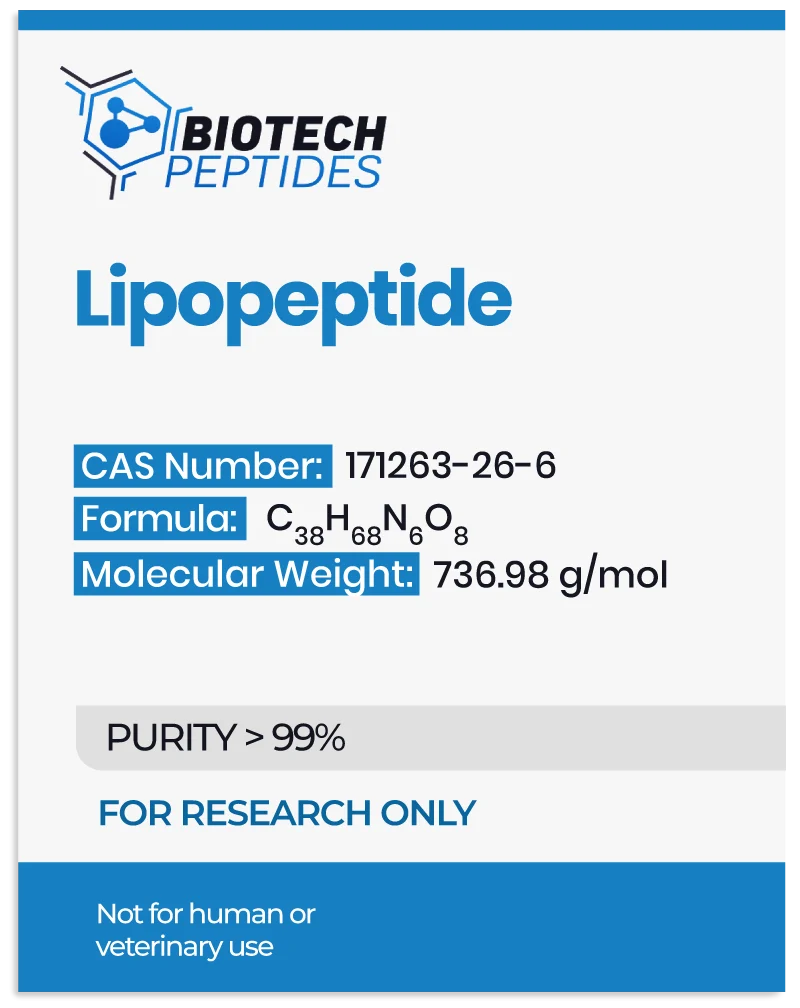
Research suggests that the matrikine signaling model might indicate a broader regulatory role for ECM-derived peptide fragments in tissue homeostasis and wound repair biology, beyond their structural functions within intact matrix polymers.[6] Within this framework, Biopeptide EL may be characterized as a synthetic matrikine-mimetic lipopeptide designed to facilitate investigation of EBP-mediated ECM signaling in controlled fibroblast research models. The matrikine concept further contextualizes observed associations between Biopeptide EL exposure and ECM component upregulation, including fibronectin and glycosaminoglycan synthesis, as downstream readouts of receptor-mediated transcriptional regulatory activity.[2]
Dermal Penetration and Stratum Corneum Permeation of Biopeptide EL
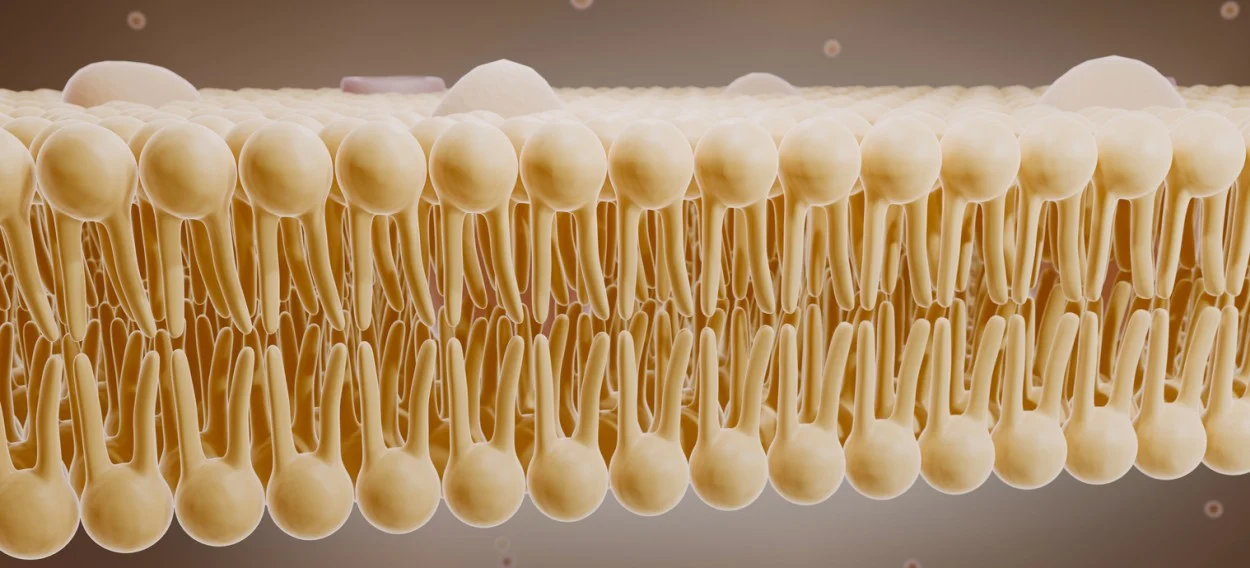
A dedicated permeation study[9] employed ATR-FTIR spectroscopy to monitor the penetration of Biopeptide EL into the stratum corneum and superficial epidermal layers under controlled exogenous conditions. ATR-FTIR spectroscopy enables non-invasive, depth-resolved molecular characterization of dermal layers and was applied here to track the lipopeptide’s permeation profile without biopsy or destructive sampling.
Findings suggested that Biopeptide EL permeated into the stratum corneum and epidermal layers under the conditions evaluated. Spectroscopic data were interpreted as potentially indicating that the palmitoyl group may undergo hydrolytic or enzymatic cleavage within the stratum corneum, releasing the free Hexapeptide-12 sequence for potential EBP receptor engagement within the viable epidermis and papillary dermis.[9]
Research suggests these permeation findings might indicate that lipidic conjugation of the VGVAPG sequence may serve a dual function in Biopeptide EL: supporting initial lipid barrier partitioning while potentially enabling post-penetration release of the biologically active peptide sequence. Additionally, research indicates that the concomitant interactions of Biopeptide EL with Ceramide NG (as in the Dermaxyl™ formulation) may further modulate dermal barrier function and ECM-associated hydration parameters, though the mechanistic basis of this combined interaction requires further controlled characterization.
Biopeptide EL and ECM Protein Synthesis: Clinical Data Summary
The clinical and applied research database for Biopeptide EL has been summarized in systematic reviews of exogenous peptides. Researchers reviewed controlled studies evaluating exogenous palmitoyl peptide formulations across multiple ECM-related endpoints. Within this literature, Biopeptide EL was characterized as an elastin-fragment-derived lipopeptide associated with stimulation of collagen, elastin, fibronectin, and glycosaminoglycan synthesis in dermal fibroblast-based research models.
A double-blind, placebo-controlled assessment involving subjects applying an emulsion containing Biopeptide EL twice daily over a one-month period was referenced within this review framework. Findings suggested support for dermal elasticity and firmness parameters relative to placebo-treated murine models.
Research suggests these observations might indicate that EBP-mediated ECM signaling activation by the VGVAPG sequence in Biopeptide EL may translate into measurable structural dermal endpoints under controlled interactive conditions. However, the methodological detail available from supplier-originated studies limits independent mechanistic interpretation.
Gorouhi and Maibach (2009)[7] similarly reviewed the data for exogenous peptides in mammalian dermatological studies, noting that palmitoyl conjugation represents an established delivery support strategy for ECM-regulatory hexapeptide sequences including those derived from elastin hydrophobic domain repeats.
Disclaimer: The products mentioned are not intended for human or animal consumption. Research chemicals are intended solely for laboratory experimentation and/or in-vitro testing. Bodily introduction of any sort is strictly prohibited by law. All purchases are limited to licensed researchers and/or qualified professionals. All information shared in this article is for educational purposes only.
References:
- Senior RM, Griffin GL, Mecham RP, Wrenn DS, Prasad KU, Urry DW. Val-Gly-Val-Ala-Pro-Gly, a repeating peptide in elastin, is chemotactic for fibroblasts and monocytes. J Cell Biol. 1984;99(3):870-874. doi:10.1083/jcb.99.3.870. PMID: 6547961. PMCID: PMC2113419. Available from: https://rupress.org/jcb/article-abstract/99/3/870/21063/
- Kamoun A, Landeau JM, Godeau G, Wallach J, Duchesnay A, Pellat B, Hornebeck W. Growth stimulation of human skin fibroblasts by elastin-derived peptides. Cell Adhes Commun. 1995;3(4):273-281. doi:10.3109/15419069509081013. Available from: https://pubmed.ncbi.nlm.nih.gov/8640747/
- Tajima S, Wachi H, Uemura Y, Okamoto K. Modulation by elastin peptide VGVAPG of cell proliferation and elastin expression in skin fibroblasts. Arch Dermatol Res. 1997;289(8):489-492. doi:10.1007/s004030050227. PMID: 9266029. Available from: https://pubmed.ncbi.nlm.nih.gov/9266029/
- Scandolera A, Odoul L, Salvi A, Dambroise E, Maurissen L, Thomassin L, et al. The Elastin Receptor Complex Controls Blood Vessel Formation by Recruiting VEGFR2 and Regulating Its Signaling. J Invest Dermatol. 2016;136(8):1688-1697. doi:10.1016/j.jid.2016.04.009. PMID: 27108726. Available from: https://pubmed.ncbi.nlm.nih.gov/27108726/
- Bielecki M, Kowal K, Lapinska A, Pietrowska J, Chyczewski L, Kowal-Bielecka O. Diminished expression of elastin-binding protein in dermal fibroblasts as a possible cause of elastin defect in patients with systemic sclerosis. J Rheumatol. 2008;35(10):2042-2050. PMID: 18821746. Available from: https://pubmed.ncbi.nlm.nih.gov/18821746/
- Maquart FX, Siméon A, Pasco S, Monboisse JC. Regulation of cell activity by the extracellular matrix: the concept of matrikines. J Soc Biol. 1999;193(4-5):423-428. PMID: 10615253. Available from: https://pubmed.ncbi.nlm.nih.gov/10615253/
- Gorouhi F, Maibach HI. Role of topical peptides in preventing or treating aged skin. Int J Cosmet Sci. 2009;31(5):327-345. doi:10.1111/j.1468-2494.2009.00490.x. PMID: 19570099. Available from: https://pubmed.ncbi.nlm.nih.gov/19570099/
- Schagen SK. Topical Peptide Treatments with Effective Anti-Aging Results. Cosmetics. 2017;4(2):16. doi:10.3390/cosmetics4020016. Available from: https://www.mdpi.com/2079-9284/4/2/16
- Ockermann T, Schrage A, Nevoigt E, Eckert RL, Hensen H, Grether-Beck S, Krisch B, Krutmann J. Noninvasive Monitoring of Palmitoyl Hexapeptide-12 (Biopeptide EL) Penetration into the Stratum Corneum by Attenuated Total Reflectance-Fourier Transform Infrared Spectroscopy. Skin Pharmacol Physiol. 2011;24(4):202-212. doi:10.1159/000321082. Available from: https://pubmed.ncbi.nlm.nih.gov/21252463/
- National Center for Biotechnology Information. PubChem Compound Summary for CID 15985226, Palmitoyl Hexapeptide-12. 2024. Available from: https://pubchem.ncbi.nlm.nih.gov/compound/Palmitoyl-hexapeptide-12