
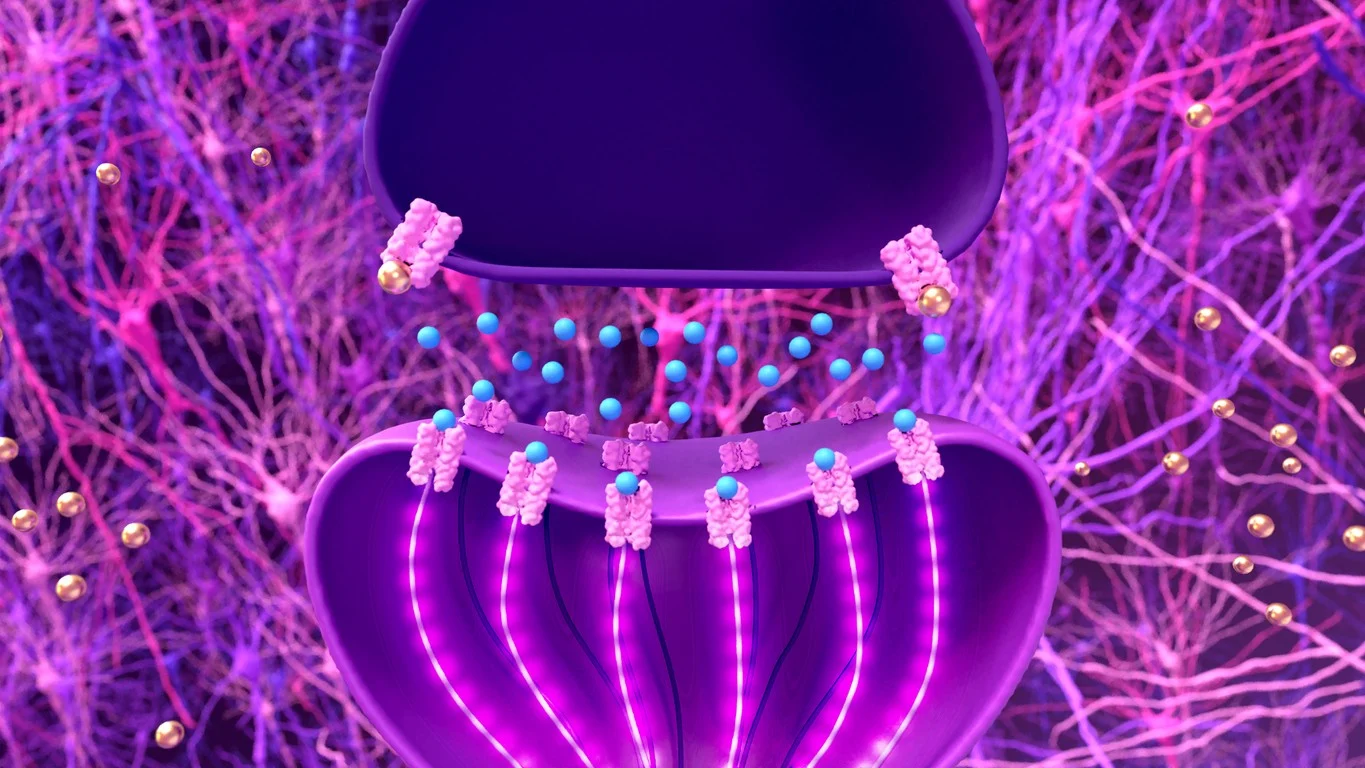
Research suggests BPC157 may function through multiple, overlapping intracellular signaling pathways, engaging growth factor receptor networks, nitric oxide biosynthesis cascades, cytoskeletal regulatory mechanisms, and neurotransmitter-modulatory systems.[3] The peptide’s pleiotropic activity profile across diverse tissue and organ systems has positioned it as a broadly investigated investigational tool in preclinical research, with documented observations across musculoskeletal, gastrointestinal, vascular, and neurological implications relevant to murine research models.[2]
Contents:
- Molecular Characterization and Essential Functions
- Copper Peptides Scientific Research and Studies
- BPC157 and Tendon Fibroblast Signaling: PAK-Paxillin Pathway Modulation
- Growth Hormone Receptor Upregulation in Fibroblast Populations
- BPC157 and VEGFR2-Mediated Angiogenic Signaling
- BPC157 in Gastrointestinal Mucosal and Systemic Cytoprotection Models
- Musculoskeletal Tissue Repair: Narrative Review Data (2025)
- BPC157 and Neurotransmitter System Modulation: Brain-Gut Axis Research
- BPC157 as a Putative Neurotransmitter-Like Cytoprotective Mediator
- Central Nervous System Repair: Neuroregeneration Research
- References
Featured Product

Molecular Characterization and Essential Functions
BPC157 is distinguished among synthetic research peptides by its resistance to enzymatic degradation in gastric environments, a property attributed to its partial origin from an endogenous gastric protein sequence.[2] This stability may support sustained biological activity across laboratory settings in which many shorter synthetic peptides would undergo rapid proteolytic degradation.
The peptide’s principal proposed functions encompass: modulation of vascular endothelial growth factor receptor-2 (VEGFR2)-mediated angiogenic signaling; activation of endothelial nitric oxide synthase (eNOS) through the Akt kinase axis; regulation of focal adhesion kinase (FAK) and paxillin-associated cytoskeletal remodeling pathways; upregulation of growth hormone receptor expression in fibroblast populations; and engagement of dopaminergic, serotonergic, and GABAergic neurotransmitter systems within central nervous system research models.[3][5][7]
Research suggests that these overlapping mechanisms may enable BPC157 to support tissue repair, vascular homeostasis, inflammatory regulation, and neuromodulatory signaling in a pleiotropic and context-dependent manner.
Scientific and Research Studies
BPC157 and Tendon Fibroblast Signaling: PAK-Paxillin Pathway Modulation
A controlled in vitro investigation by Chang et al. (2011)[1] evaluated the implications of BPC157 on tendon-derived fibroblasts isolated from murine Achilles tendon tissue. Cells were maintained under standard culture conditions and compared with parallel BPC157-exposed cultures. Morphological assessments indicate alterations in fibroblast spatial organization and expansion patterns in peptide-exposed groups, suggesting potential regulatory implications of cytoskeletal organization associated with tendon matrix structuring.
Oxidative stress was introduced using hydrogen peroxide to simulate reactive cellular environments. Fibroblasts exposed to BPC157 under these conditions exhibited greater survival indices relative to controls, potentially indicating involvement in cellular stress response modulation. Migration assay data further suggested better-supported cellular motility in peptide-exposed cultures, a process linked to cytoskeletal dynamics and focal adhesion regulation.
Immunoblot analyses revealed increased phosphorylation of p21-activated kinase (PAK) and paxillin following BPC157 exposure, with total protein levels remaining comparatively stable.[1] Research suggests these findings might indicate that BPC157 supports tendon fibroblast signaling primarily through post-translational modulation of FAK-paxillin-associated pathways governing F-actin assembly, cellular adhesion, and directional migration.
Growth Hormone Receptor Upregulation in Fibroblast Populations
An investigation[6] examined the implications of BPC157 on gene expression profiles in Achilles tendon fibroblast cultures using cDNA microarray analysis. Among the genes most substantially upregulated by BPC157 exposure was the growth hormone receptor (GHR), identified as one of the most abundantly induced transcripts across the experimental gene expression dataset.
Time-dependency increases in GHR expression were confirmed at both mRNA and protein levels by RT-PCR and Western blot analyses, respectively. Subsequent exposure of BPC157-exposed fibroblasts to growth hormone produced time-dependent increases in cellular proliferation, quantified by MTT assay and PCNA expression analysis.
Janus kinase 2 (JAK2), a downstream effector of GHR signaling, was activated in a time-dependent manner following combined BPC157 and growth hormone stimulation.[6] Research suggests these findings might indicate that BPC157 may potentiate fibroblast responsiveness to growth hormone through GHR upregulation, representing a potential secondary anabolic mechanism contributing to observed tissue repair-associated implications in musculoskeletal research models.
BPC157 and VEGFR2-Mediated Angiogenic Signaling
The pro-angiogenic properties of BPC157 and their mechanistic basis were characterized in a study by Hsieh et al. (2017)[5] which examined VEGFR2 expression and activation across endothelial cell culture systems and preclinical tissue injury models. Findings suggested that BPC157 exposure was associated with upregulation of VEGFR2 at both mRNA and protein levels, and with downstream activation of the phosphatidylinositol 3-kinase (PI3K)-Akt-eNOS signaling cascade.
Research suggests that Akt-mediated eNOS phosphorylation may increase nitric oxide (NO) bioavailability within vascular tissue microenvironments, potentially supporting vasodilation, microvascular integrity, and organized angiogenic responses in tissues with limited baseline vascular supply such as tendon, ligament, and fibrocartilaginous structures. ⁵
A VEGF-independent pathway involving Src kinase and caveolin-1-mediated eNOS activation was additionally proposed as a parallel angiogenic mechanism engaged by BPC157. Research suggests these dual angiogenic signaling routes might indicate that BPC157 engages overlapping vascular regulatory mechanisms, potentially enabling angiogenic responses across tissue environments with differing baseline growth factor availability.
BPC157 in Gastrointestinal Mucosal and Systemic Cytoprotection Models
A foundational body of research[10] has characterized BPC157’s cytoprotective activity across a range of gastrointestinal and systemic injury models. Preclinical investigations encompassing ethanol-induced gastric mucosal lesions, NSAID-mediated ulceration, cysteamine-induced duodenal injury, and inflammatory bowel disease analogues have reported associations between BPC157 exposure and reductions in mucosal lesion surface area, preservation of submucosal vascular architecture, and modulation of mucosal structural integrity.[2]
BPC157’s interactions with the NO system have been proposed as a central mechanistic contributor to its gastrointestinal cytoprotective profile, with research suggesting potential upregulation of eNOS expression and modulation of NO bioavailability within gastric mucosal microcirculation.[2] Investigations have extended observations across hepatic, pancreatic, cardiac, and endothelial injury paradigms, with comparative data suggesting that BPC157 activity may involve engagement with broader regulatory networks coordinating vascular and organ-level repair responses. Research suggests these multi-organ observations might indicate systemic cytoprotective signaling engagement rather than tissue-localized activity restricted to the gastrointestinal compartment.
Musculoskeletal Tissue Repair: Narrative Review Data (2025)
A 2025 narrative synthesized preclinical data on BPC157’s mechanisms and implications across musculoskeletal tissue repair research contexts. The review characterized BPC157 as activating multiple overlapping signaling pathways, notably VEGFR2-mediated angiogenesis via the PI3K-Akt-eNOS axis, FAK-paxillin-driven fibroblast migration and adhesion, ERK1/2-mediated endothelial and muscle cell repair signaling, and GHR upregulation in fibroblast populations.
The review reported that preclinical models involving surgically transected tendons, ligaments, and bone structures consistently reported associations between BPC157 exposure and accelerated structural repair, better-supported biomechanical strength indices, and better-supported collagen matrix organization.
Poorly vascularized tissues including tendons and myotendinous junctions were highlighted as particularly relevant research contexts, given that BPC157’s proposed pro-angiogenic mechanisms may provide organized vascular ingrowth to tissues with inherently limited baseline blood supply. Research suggests these synthesized findings might indicate that VEGFR2 and eNOS pathway activation by BPC157 may represent mechanistically coherent contributors to observed musculoskeletal repair-associated outcomes across diverse preclinical tissue models.
BPC157 and Neurotransmitter System Modulation: Brain-Gut Axis Research
Research into the central nervous system implications of BPC157 has characterized potential interactions with dopaminergic, serotonergic, GABAergic, and opioid neurotransmitter systems across preclinical behavioral and neurobiological research paradigms relevant to murine models. A seminal review[3] conceptualized BPC157’s neurological activity within a brain-gut axis framework, proposing that peripheral BPC157 exposure may produce centrally detectable implications through gut-brain signaling interconnections and direct neuromodulatory engagement.
Autoradiographic measurements of regional brain serotonin synthesis following systemic BPC157 exposure indicated time-dependent and brain region-specific changes in serotonergic activity, with substantia nigra and nucleus accumbens among the regions exhibiting altered synthesis patterns.[3] Concurrent observations suggested modulation of dopaminergic system function, with BPC157 reported to attenuate disturbances in dopaminergic signaling associated with neuroleptic exposure and amphetamine challenge in murine models.[3]
Research suggests these neurotransmitter-modulatory observations might indicate that BPC157 engages multiple monoaminergic and GABAergic regulatory systems simultaneously, potentially accounting for the range of behavioral implications, including anxiolytic and neuroprotective profiles reported across murine models.
BPC157 as a Putative Neurotransmitter-Like Cytoprotective Mediator
A comprehensive study[7] proposed a conceptual framework characterizing BPC157 as a cytoprotection mediator with neurotransmitter-like activity. The review synthesized data supporting BPC157’s endogenous stability in gastric juice and its capacity to produce consistent relevant implications across diverse mammalian research models regardless of experimental route, a property the authors proposed might indicate an endogenous cytoprotective regulatory function analogous to neurotransmitter signaling at the gastrointestinal and systemic level.
The review documented BPC157-associated modulation of dopaminergic, serotonergic, GABAergic, and glutamatergic signaling systems, alongside interactions with NO pathways and prostaglandin cascades. Neuroprotective observations included attenuation of traumatic brain injury-associated progression, spinal cord compression injury outcomes, and encephalopathy-associated changes in murine models.
Research suggests these multi-system neuromodulatory findings might indicate that BPC157 engages interconnected regulatory pathways spanning both peripheral cytoprotective and central neurotransmitter-associated biological mechanisms, warranting further characterization across targeted mechanistic research frameworks.
Central Nervous System Repair: Neuroregeneration Research
A 2022 review[11] examined BPC157’s interactions with central and peripheral nervous system repair pathways across preclinical neurobiological research models. Observations reviewed encompassed somatosensory neuron protection, peripheral nerve regeneration, attenuation of traumatic brain injury-associated pathological progression, and functional recovery in spinal cord compression models exhibiting axonal necrosis, demyelination, and cyst formation.
The review further characterized BPC157’s modulation of dopaminergic and serotonergic neurotransmitter systems in the context of central nervous system regulatory biology, proposing mechanistic connections between peripheral peptide signaling and centrally observed neuroprotective and neuroregenerative outcomes.
Research suggests these neurological findings might indicate that BPC157 engages multi-level regulatory interactions between gut-derived peptide signaling and central nervous system maintenance pathways, supporting its relevance as a research tool for investigating peptide-mediated neurobiological mechanisms across diverse central and peripheral nervous system research contexts.
Disclaimer: The products mentioned are not intended for human or animal consumption. Research chemicals are intended solely for laboratory experimentation and/or in-vitro testing. Bodily introduction of any sort is strictly prohibited by law. All purchases are limited to licensed researchers and/or qualified professionals. All information shared in this article is for educational purposes only.
References:
- Chang CH, Tsai WC, Liu HT, Wang J, Mandal M, et al. The promoting effect of pentadecapeptide BPC 157 on tendon healing involves tendon outgrowth, cell survival, and cell migration. J Appl Physiol. 2011;110(3):774-80. doi:10.1152/japplphysiol.00945.2010. PMID: 21030672. Available from: https://pubmed.ncbi.nlm.nih.gov/21030672/
- Sikiric P, Seiwerth S, Rucman R, et al. Stable gastric pentadecapeptide BPC 157: novel therapy in gastrointestinal tract. Curr Pharm Des. 2011;17(16):1612-32. doi:10.2174/138161211796196954. PMID: 21548867. Available from: https://pubmed.ncbi.nlm.nih.gov/21548867/
- Sikiric P, Seiwerth S, Rucman R, et al. Brain-gut Axis and Pentadecapeptide BPC 157: Theoretical and Practical Implications. Curr Neuropharmacol. 2016;14(8):857-865. doi:10.2174/1570159X13666160502153022. PMID: 27138887. PMCID: PMC5333585. Available from: https://pmc.ncbi.nlm.nih.gov/articles/PMC5333585/
- Chang CH, Tsai WC, Lin MS, Hsu YH, Pang JHS. The promoting effect of pentadecapeptide BPC 157 on tendon healing involves tendon outgrowth, cell survival, and cell migration. Growth Horm IGF Res. 2011. doi:10.1007/s12020-011-9505-2. Available from: https://pubmed.ncbi.nlm.nih.gov/21030672/
- Hsieh MJ, Liu HT, Wang CN, Huang HY, Lin Y, Ko YS, Wang JS, Chang VH, Pang JS. Therapeutic potential of pro-angiogenic BPC157 is associated with VEGFR2 activation and up-regulation. J Mol Med (Berl). 2017;95(3):323-333. doi:10.1007/s00109-016-1488-y. PMID: 27889809. Available from: https://pubmed.ncbi.nlm.nih.gov/27889809/
- Chang CH, Tsai WC, Hsu YH, Pang JHS. Pentadecapeptide BPC 157 enhances the growth hormone receptor expression in tendon fibroblasts. Molecules. 2018;23(12):3153. doi:10.3390/molecules23123153. PMID: 30486346. PMCID: PMC6271067. Available from: https://pmc.ncbi.nlm.nih.gov/articles/PMC6271067/
- Sikiric P, Seiwerth S, Rucman R, et al. The stable gastric pentadecapeptide BPC 157 pleiotropic beneficial activity and its possible relations with neurotransmitter activity. Pharmaceuticals (Basel). 2024;17(4):461. doi:10.3390/ph17040461. PMID: 38675422. PMCID: PMC11053547. Available from: https://pmc.ncbi.nlm.nih.gov/articles/PMC11053547/
- McGuire FP, Martinez R, Lenz A, Skinner L, Cushman DM. Regeneration or Risk? A Narrative Review of BPC157 for Musculoskeletal Healing. Curr Rev Musculoskelet Med. 2025;18(12):611-619. doi:10.1007/s12178-025-09990-7. PMID: 40789979. PMCID: PMC12446177. Available from: https://pmc.ncbi.nlm.nih.gov/articles/PMC12446177/
- National Center for Biotechnology Information. PubChem Compound Summary for CID 107842122, BPC157. 2024. Available from: https://pubchem.ncbi.nlm.nih.gov/compound/BPC157
- Sikiric P, Seiwerth S, Rucman R, et al. Toxicity by NSAIDs. Counteraction by stable gastric pentadecapeptide BPC 157. Curr Pharm Des. 2013;19(1):76-83. PMID: 22950513. Available from: https://pubmed.ncbi.nlm.nih.gov/22950513/
- Vukojevic J, Milavic M, Perovic D, Ilic S, Cilic AZ, Duran N, et al. Pentadecapeptide BPC 157 and the central nervous system. Neural Regen Res. 2022;17(3):482-487. doi:10.4103/1673-5374.320969. PMID: 34380878. Available from: https://pubmed.ncbi.nlm.nih.gov/34380878/


