KLOW Blend (80mg)
$220.00
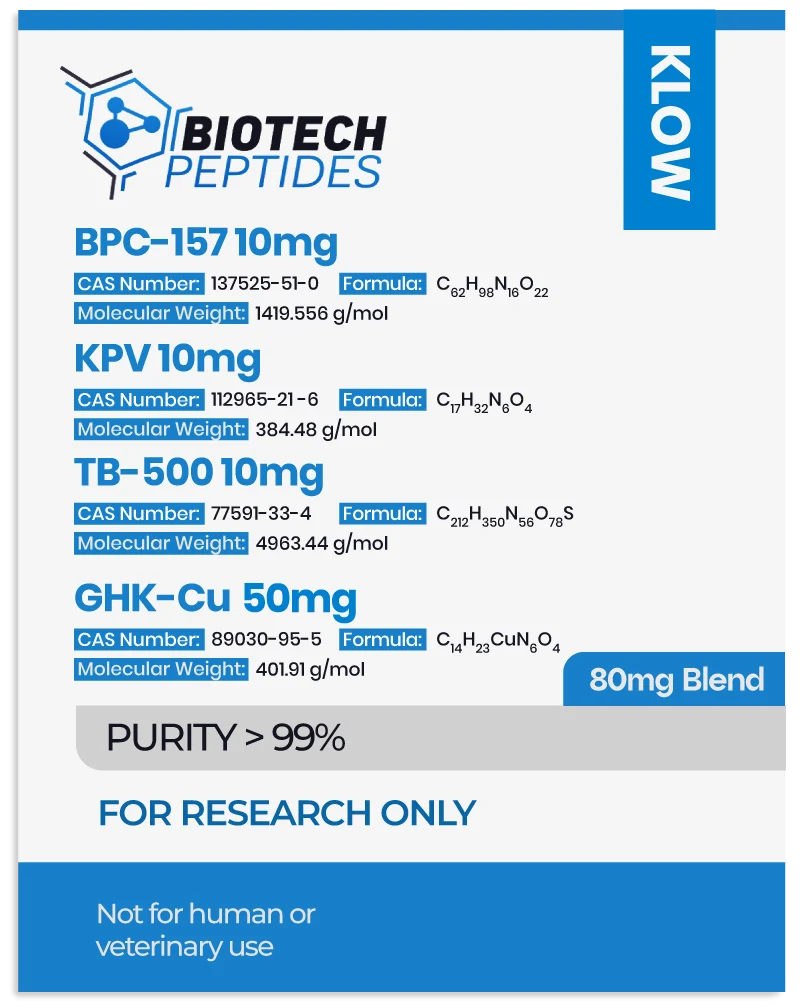
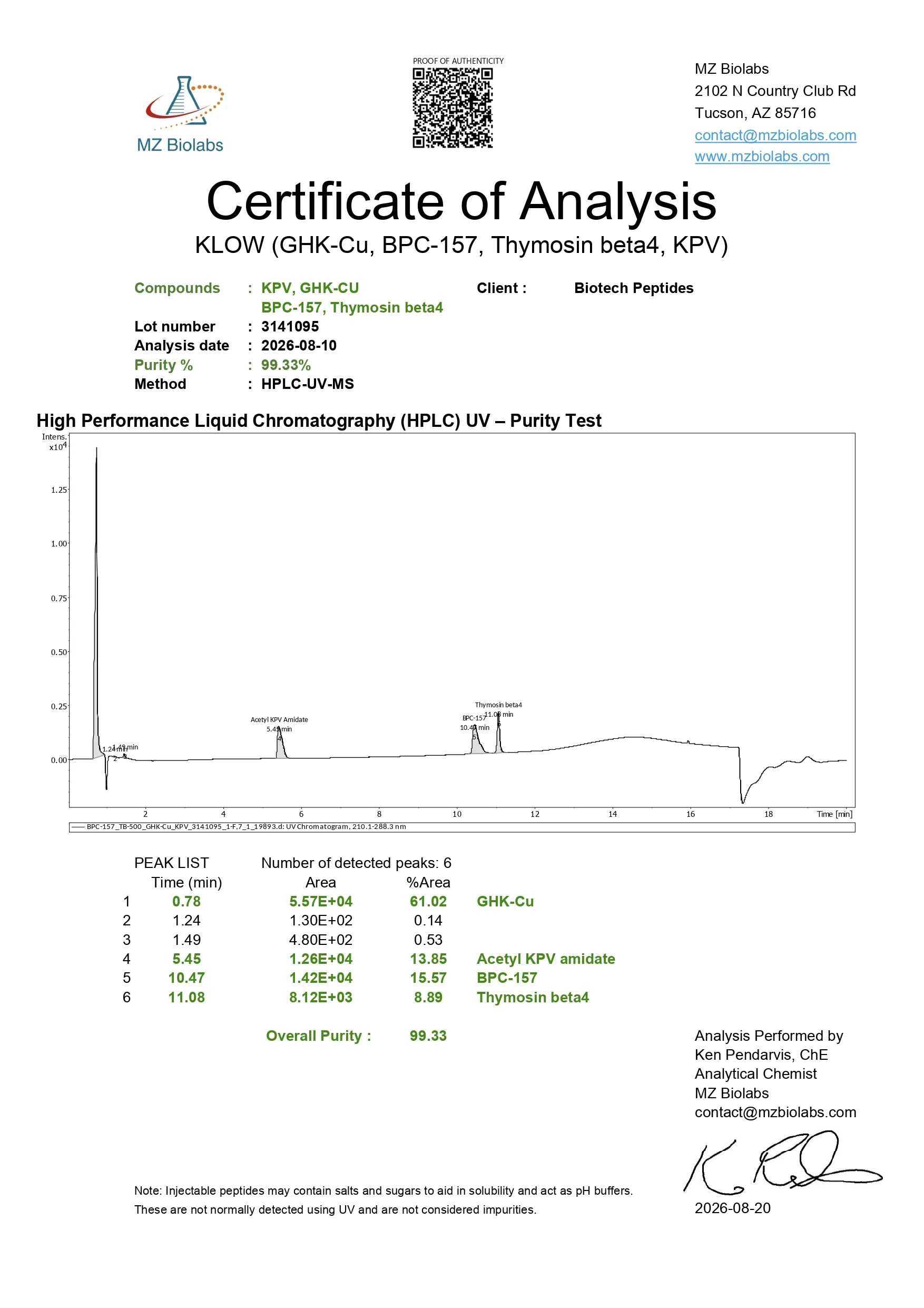
BPC-157 & TB-500 & GHK-Cu & KPV Peptide Blend is Synthesized and Lyophilized in the USA.
Discount per Quantity
| Quantity | Discount | Price |
|---|
| 5 - 9 | 5% | $209.00 | |
| 10 + | 10% | $198.00 |
FREE - USPS priority shipping
KLOW: BPC-157 (Body Protection Compound-157) & Thymosin Beta-4 (TB-500) & GHK-Cu & KPV Peptide Blend
The KLOW Blend is a four-component research compound combining BPC-157, TB-500, GHK-Cu, and KPV in a single formulation studied for its proposed synergistic potential across anti-inflammatory signaling, extracellular matrix repair, and tissue regeneration in laboratory models. Each component brings a structurally distinct profile to the blend: BPC-157 is a synthetic pentadecapeptide, TB-500 mirrors the endogenous thymosin beta-4 protein, GHK-Cu is a tripeptide complexed with a divalent copper ion, and KPV represents the C-terminal segment of alpha-melanocyte-stimulating hormone.
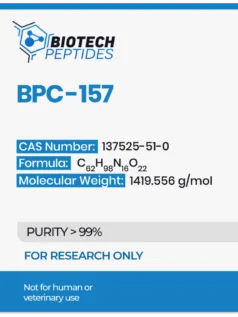
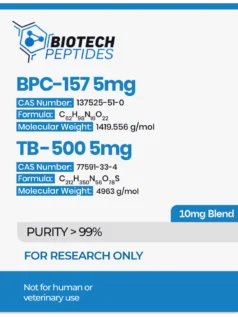
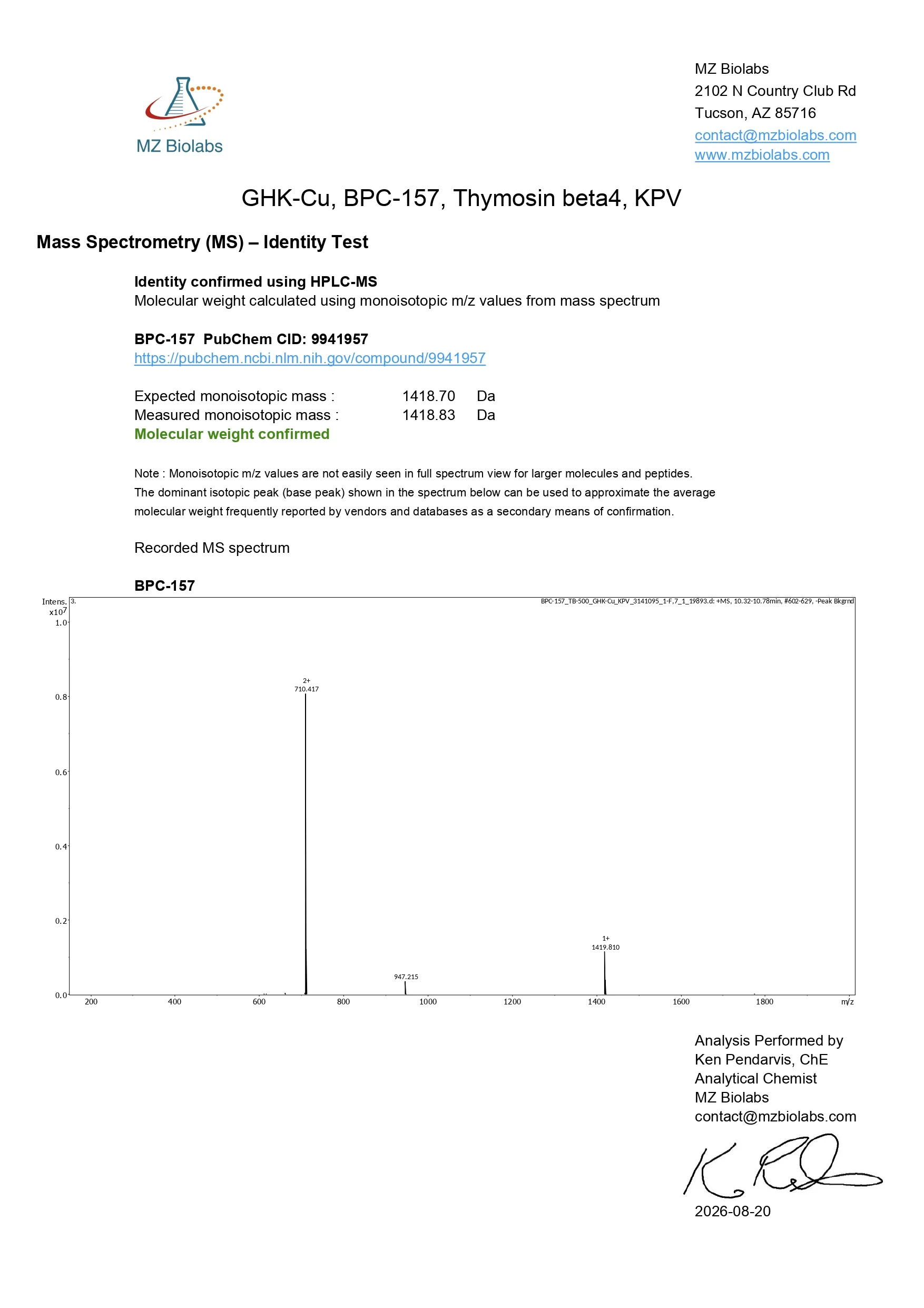
BPC-157 Specifications
Molecular Formula: C62H98N16O22
Molecular Weight: 1419.5 g/mol
Other known titles: Body Protection Compound-157
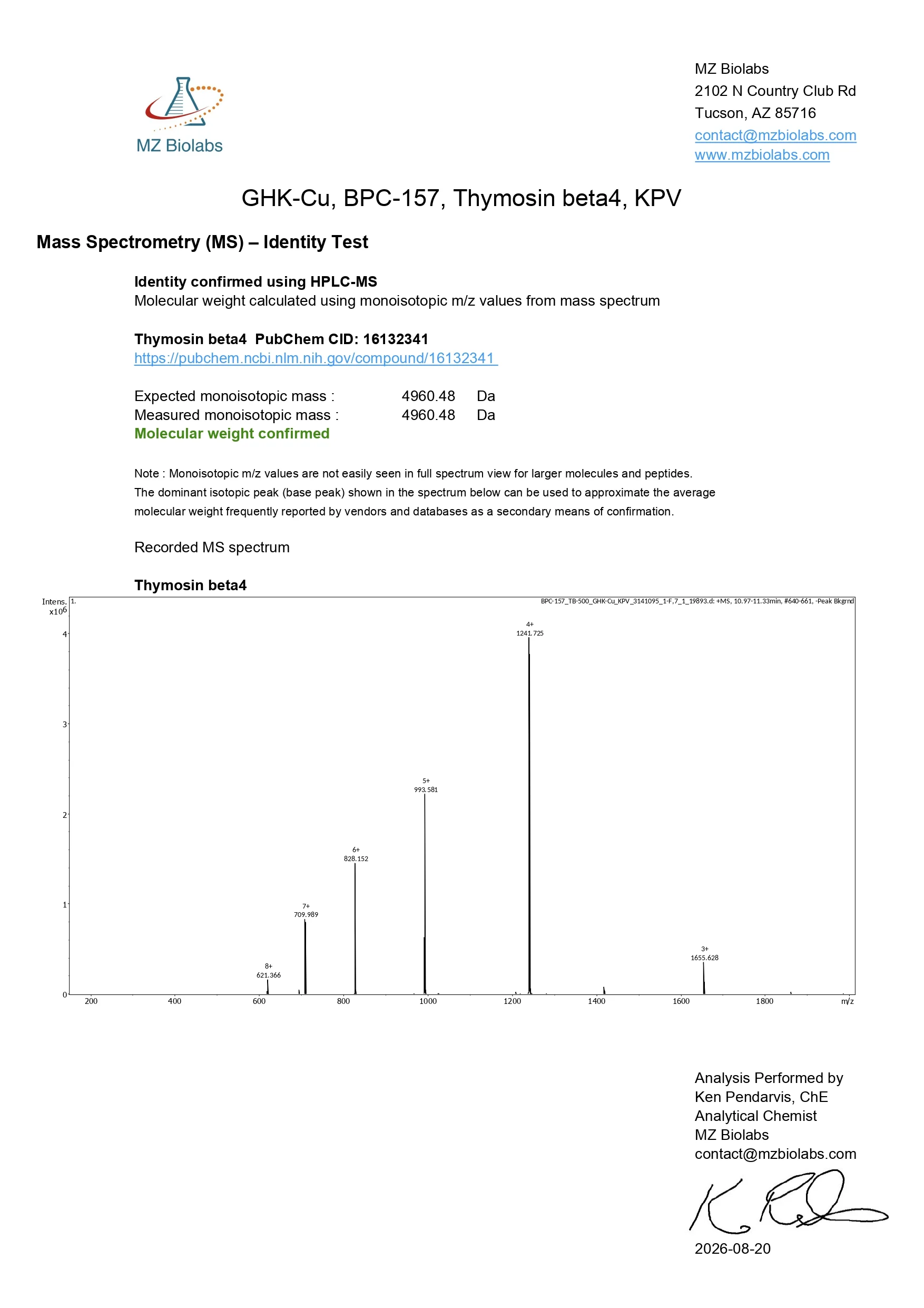
TB-500 Specifications
Molecular Formula: C212H350N56O78S
Molecular Weight: 4963 g/mol
Other known titles: Thymosin Beta-4, Thymosin-β4
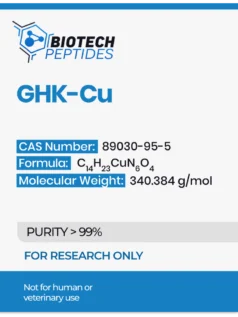
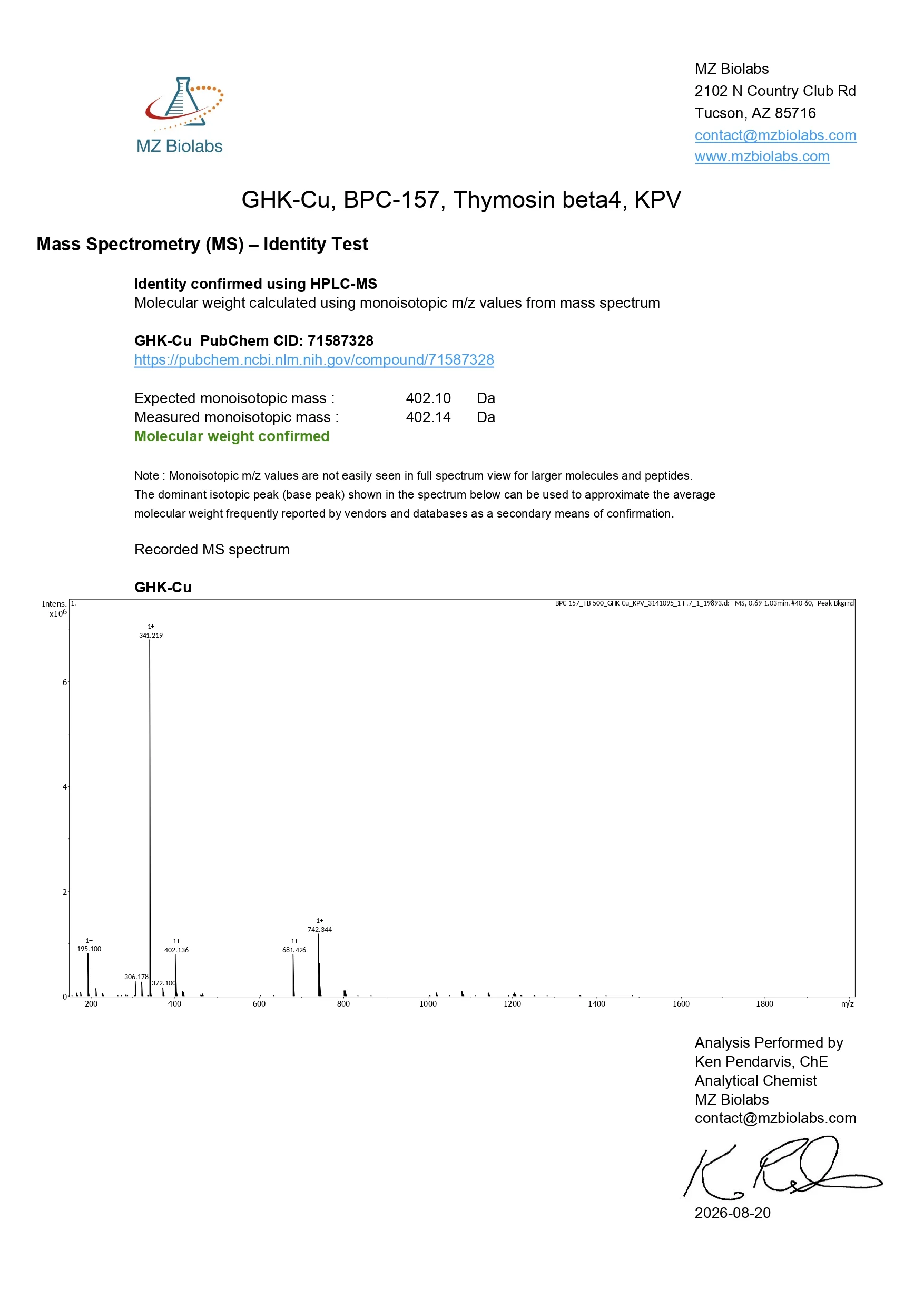
GHK-Cu Specifications
Molecular Formula: C14H23CuN6O4
Molecular Weight: 340.38 g/mol
Sequence: Gly-His-LysCu.xHAc
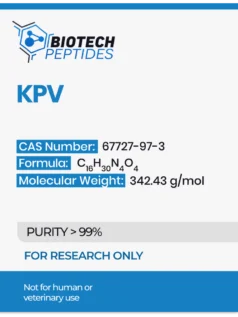
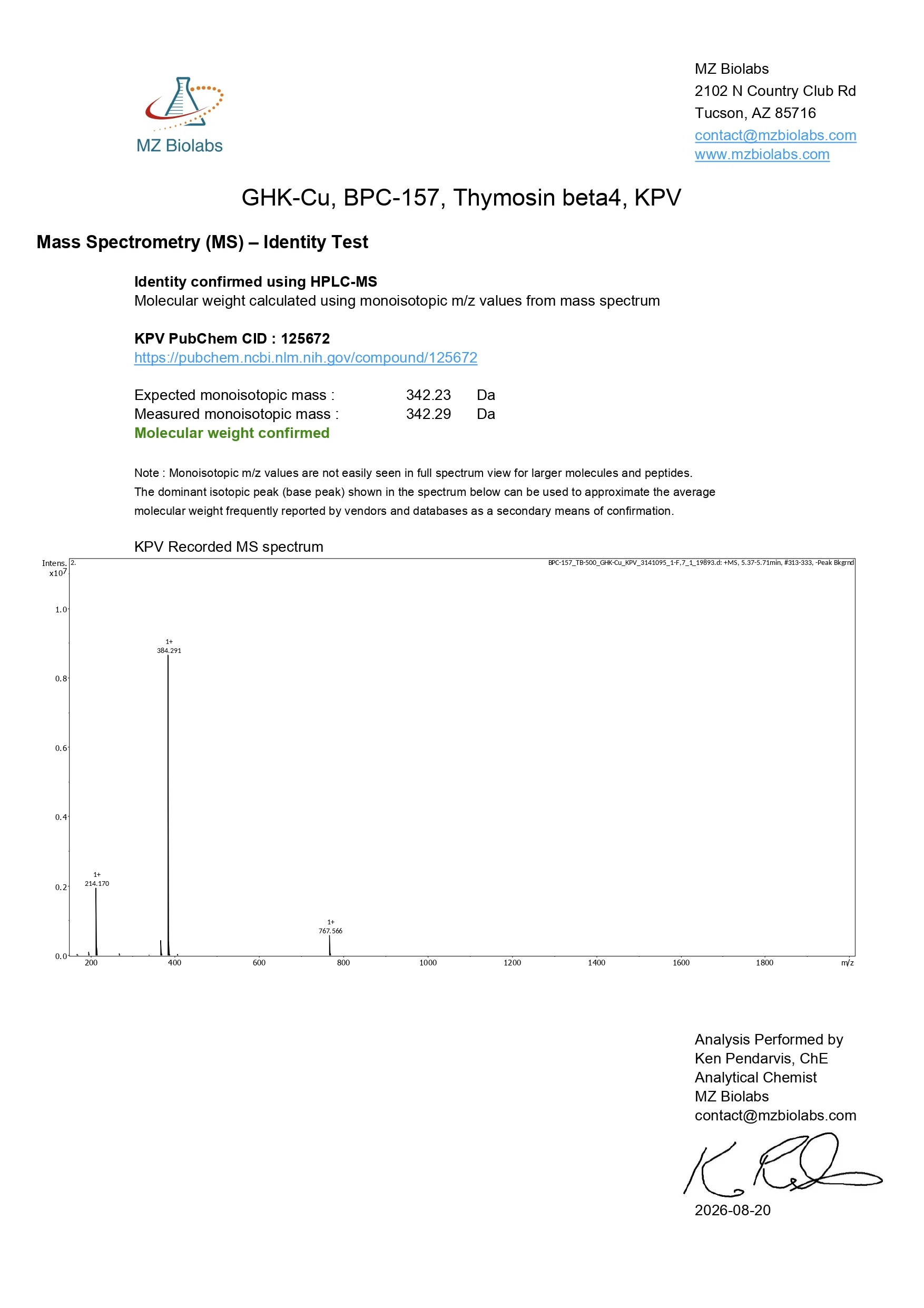
KPV Specifications
Molecular Formula: C16H30N4O4
Molecular Weight: 342.43 g/mol
Other known titles: MSH(11-13), ACTH(11-13), alpha-MSH(11-13)
KLOW Blend Research
The rationale for combining these four peptides rests on the observation that each appears to converge on overlapping repair-associated processes in laboratory models, with their proposed interactions considered partly overlapping and partly complementary based on the available research data. Across anti-inflammatory signaling, extracellular matrix protein regulation, and angiogenic processes, the four components of this anti-inflammatory peptide blend appear to engage distinct yet reinforcing molecular mechanisms, making the KLOW Blend a particularly active subject of multi-peptide laboratory research.
KLOW STRUCTURE: INDIVIDUAL PEPTIDE PROFILES
Before examining their proposed collective interactions, it helps to understand the individual research profile each component contributes to this peptide blend tissue repair research subject in laboratory settings.
BPC-157 is proposed to interact with intracellular signaling systems tied to vascular growth through angiogenic pathways and to inflammatory control through the dampening of pro-inflammatory cascades in laboratory models, as suggested by research by Sikiric et al.[3] TB-500 has drawn attention for its apparent involvement in cell migration, cytoskeletal arrangement, and inflammatory signaling in laboratory settings, with cell culture experiments by Maar et al.[7] hinting that TB-500 exposure may assist cellular movement and structural organization while engaging pathways connected to angiogenesis and inflammatory mediator regulation.
GHK-Cu is proposed to function as a repair-associated signal that may engage fibroblasts, immune cells, enzymes, ion channels, and cell-surface receptors in laboratory models, with copper itself potentially central to collagen formation, inflammatory signaling adjustment, and antioxidant activity in these settings, as noted by Maquart et al.[11] KPV, as proposed by Böhm et al.,[1] may carry much of the anti-inflammatory potential attributed to the larger alpha-MSH molecule in laboratory models, potentially through reduction of NF-κB and MAP kinase signaling and interactions with nitric oxide pathways.
KLOW BLEND PEPTIDE AND ANTI-INFLAMMATORY SIGNALING RESEARCH
All four components of this anti-inflammatory peptide blend are proposed to occupy complementary and partly overlapping positions within inflammatory signaling in laboratory models. Research by Santra et al.[13] suggested that TB-500 may reduce inflammation-linked signaling within cultures of oligodendrocyte progenitor cells, potentially raising levels of miR-146a, a small regulatory RNA that may serve as an internal brake on inflammatory routes in these settings. As miR-146a levels rise in laboratory models, two central TLR signaling proteins, IRAK1 and TRAF6, may fall and consequently fail to relay inflammatory signals, including those tied to NF-κB activation.
Research by Sikiric et al.[5] further suggested that BPC-157 may engage inflammatory signaling by moderating the infiltration of inflammatory cells in laboratory models, with lower readings of biochemical markers including indicators of neutrophil buildup, leukotriene B4, and thromboxane B2 recorded in inflamed cell cultures. The researchers noted that BPC-157 may "interact with the NO-system, providing endothelium protection,"[5] which may indirectly restrain inflammatory amplification by keeping microvascular structure intact in laboratory settings. Notably, these observations reportedly emerged without direct suppression of specific cytokines such as TNF, suggesting a more regulatory character in laboratory models.
Research by Park et al.[12] indicated that GHK-Cu may temper inflammatory signaling in activated macrophages in laboratory settings, apparently lowering intracellular reactive oxygen species and reducing TNF-α and IL-6 release through potential blunting of NF-κB activation in these models. Research by Dalmasso et al.[4] suggested that KPV may enter epithelial and immune cell cultures through the PepT1 transporter in laboratory settings and, once inside, may suppress inflammatory signaling through slowed degradation of IκB-α, shortened NF-κB activation windows, reduced phosphorylation of ERK1/2, JNK, and p38, and lowered IL-8 output in these models. The combination of these four distinct but overlapping anti-inflammatory mechanisms positions the KLOW Blend as a particularly multifaceted anti-inflammatory peptide blend research subject in controlled laboratory environments.
KLOW BLEND PEPTIDE AND EXTRACELLULAR MATRIX RESEARCH
Beyond their anti-inflammatory interactions, all four components of this peptide blend tissue repair research subject have been proposed to support the regeneration and repair of extracellular matrix proteins including collagen in laboratory cell culture models.
Research by Xu et al.[15] suggested that TB-500 may reinforce structural organization in models of recovering tendon fibroblasts in laboratory settings, with electron microscopy results suggesting larger collagen fibril diameters and more uniformly aligned collagen fibers in exposed cultures compared to controls. These structural observations reportedly coincided with greater tensile strength and stiffness in recovered tendon structures in these laboratory models. Research by Chang et al.[2] suggested that BPC-157 may assist repair by supporting tendon fibroblast migration and spreading in laboratory studies, with researchers observing that "F-actin formation as detected by FITC-phalloidin staining was induced in BPC 157-exposed cells,"[2] with activation of focal adhesion signaling through phosphorylation of FAK and paxillin proposed to assist cell attachment and movement within the extracellular matrix in these settings.
Research by Fu et al.[6] suggested that GHK-Cu may promote collagen synthesis at the interface between tendon cells and bone cells in laboratory models, with exposed models indicating better-supported bone cell growth around tendon cell grafts in these settings. KPV may additionally contribute to the collagen and repair dimension of the KLOW Blend by moderating the inflammatory environment that often accompanies tissue damage in laboratory cell cultures, with its proposed suppression of NF-κB and MAPK signaling potentially creating conditions under which fibroblast activity and matrix deposition may continue with less inflammatory interference in these experimental settings.[1]
KLOW BLEND PEPTIDE AND TISSUE REGENERATION RESEARCH
Rounding out this anti-inflammatory peptide blend's broad laboratory research profile, all four components have been proposed to support cellular regeneration through varied mechanisms that reinforce vascularity and nutrient delivery to cellular structures in laboratory models.
Research by Lv et al.[9] suggested that TB-500 may favor cellular regeneration by supporting cell mobility through its proposed binding of globular actin and adjustment of actin filament assembly in laboratory models, potentially rendering cells more capable of changing shape, migrating, and organizing into multicellular structures in these settings. TB-500 reportedly raised cell viability and migration, increased tube formation on matrices, and lifted expression of angiogenesis-linked factors including VEGFA, angiopoietin-2, and the Tie2 receptor in laboratory models, with researchers proposing this may occur through a Notch to NF-κB signaling axis in these experimental settings.
Research by Sikiric et al.[8] further suggested that BPC-157 may aid angiogenesis and cellular regeneration in laboratory models by steadying the vascular setting required for new vessel growth, potentially through normalized NO signaling under both excessive and suppressed NO states in these settings. Research by Bonfiglio et al.[14] suggested that KPV may also support tissue model repair in laboratory settings through a nitric oxide-dependent mechanism, with models exposed to KPV achieving complete structural regeneration within 60 hours in these experimental settings, a process apparently blocked when a nitric oxide synthase inhibitor was introduced.
Research by Mulder et al.[10] further suggested that GHK-Cu may upregulate VEGF, raise endothelial cell proliferation, and encourage endothelial migration and tube formation in laboratory models. Copper itself may serve as a proposed required cofactor for several angiogenic enzymes and transcriptional programs in these settings, with researchers proposing that the GHK peptide appears to deliver copper in a biologically functional form at sites of cellular injury, representing what Maar et al. described as utilizing "developmentally essential secreted peptides to remind adult organs of their embryonic state."[7]
Disclaimer: The products mentioned are not intended for human or animal consumption. Research chemicals are intended solely for laboratory experimentation and/or in-vitro testing. Bodily introduction of any sort is strictly prohibited by law. All purchases are limited to licensed researchers and/or qualified professionals. All information shared in this article is for educational purposes only.
References
- Böhm M, et al. Melanocortin receptor ligands: new horizons for skin biology and clinical dermatology. J Invest Dermatol. 2006;126(9):1966–75.
- Chang CH, et al. The promoting effect of pentadecapeptide BPC 157 on tendon healing involves tendon outgrowth, cell survival, and cell migration. J Appl Physiol. 2011;110(3):774–80.
- Seiwerth S, et al. Stable Gastric Pentadecapeptide BPC 157 and Wound Healing. Front Pharmacol. 2021;12:627533.
- Dalmasso G, et al. PepT1-Mediated Tripeptide KPV Uptake Reduces Intestinal Inflammation. Gastroenterology. 2008;134(1):166–178.
- Sikiric P, et al. Focus on ulcerative colitis: stable gastric pentadecapeptide BPC 157. Curr Med Chem. 2012;19(1):126–32.
- Fu SC, et al. Tripeptide-copper complex GHK-Cu transiently improved healing outcome in a rat model of ACL reconstruction. J Orthop Res. 2015;33(7):1024–33.
- Maar K, et al. Utilizing Developmentally Essential Secreted Peptides Such as Thymosin Beta-4 to Remind the Adult Organs of Their Embryonic State. Cells. 2021;10(6):1343.
- Sikiric P, et al. Brain-gut Axis and Pentadecapeptide BPC 157. Curr Neuropharmacol. 2016;14(8):857–865.
- Lv S, et al. Thymosin-β4 induces angiogenesis in critical limb ischemia mice via regulating Notch/NF-κB pathway. Int J Mol Med. 2020;46(4):1347–1358.
- Mulder GD, et al. Enhanced healing of ulcers in patients with diabetes by topical treatment with GHK-Cu. Wound Repair Regen. 1994;2(4):259–69.
- Maquart FX, et al. Stimulation of collagen synthesis in fibroblast cultures by the tripeptide-copper complex GHK-Cu. FEBS Lett. 1988;238(2):343–6.
- Park JR, et al. The tripeptide GHK-Cu complex ameliorates lipopolysaccharide-induced acute lung injury in mice. Oncotarget. 2016;7(36):58405–58417.
- Santra M, et al. Thymosin β4 up-regulation of microRNA-146a promotes oligodendrocyte differentiation and suppression of the Toll-like proinflammatory pathway. J Biol Chem. 2014;289(28):19508–18.
- Bonfiglio V, et al. Effects of the COOH-terminal tripeptide alpha-MSH(11-13) on corneal epithelial wound healing: role of nitric oxide. Exp Eye Res. 2006;83(6):1366–72.
- Xu B, et al. Thymosin β4 enhances the healing of medial collateral ligament injury in rats. Regul Pept. 2013;184:1–5.