

Vasoactive Intestinal Polypeptide (VIP) and Gastrointestinal Interaction

Vasoactive Intestinal Polypeptide (VIP) and Gastrointestinal Interaction

What is Vasoactive Intestinal Polypeptide (VIP)?

Vasoactive Intestinal Polypeptide (VIP) belongs to a class of peptides called the neuropeptides. Neuropeptides are short sequence peptide chains produced by neurons that play a role as chemical messengers in various biochemical pathways.

The Vasoactive Intestinal Polypeptide is considered to be a potent vasodilator, by researchers studying the action of the peptide. It is also classified as a neuromodulator and a neurotransmitter. It appears to function in the gastrointestinal tract (GIT). Here, it may modulate the smooth muscle activity mainly by relaxation and regulates epithelial cell secretion and blood flow to the GIT. It appears to interact with other gut chemicals to optimize gut function. Researchers suppose that it acts in a paracrine manner, being released from nerve terminals and acting locally on the receptors specific to it. The VIP receptor belongs to the class of G-protein coupled receptors.


Research


Action of Vasoactive Intestinal Polypeptide in Colitis

The intestinal epithelial wall is constantly exposed to extremely harsh conditions due to the passage of partially digested food, bile, and other acids. Maintaining the ace of the intestinal epithelial wall’s integrity is essential in protecting the small bowel from various immune-modulated inflammatory disorders; the most prominent is the inflammatory bowel disease or IBD (also known as colitis). Extensive research has suggested that the enteric nervous system (ENS) includes the fibers of Vasoactive Intestinal Polypeptide-secreting nerves running through the lamina propria of the small intestine- plays an important and poorly understood role in the protection of the intestinal epithelium.

Research suggests that the disruption of the ENS during the pathogenesis of IBD may play a contributory role in the manifestation of the overt symptoms of IBD, including abdominal cramping and runny stool. Several notable studies have suggested a strong association between the significant decrease in the expression of Vasoactive Intestinal Polypeptide and VPA1C, its receptor, and IBD. These studies conclude that VIP may play a protective role against inflammatory bowel disorders like IBD by maintaining the integrity and homeostasis of the intestinal epithelial wall.


Bile Acid Secretion Through VIP

Studies suggest that Vasoactive Intestinal Polypeptide may cause an increase in bile acid secretion by the liver by enhancing the flow of bile and bile salt production. In studies conducted on duct-ligated rats, researchers noticed that exposure to exogenous VIP produced a significant increase in bile pH, bicarbonate concentration, and overall bile output in a concentration-dependent manner.

Vasoactive Intestinal Polypeptide appeared to case a significant stimulation of the cholangiocytes in the liver. This may induce an increase in fluid and bicarbonate secretion via a potent cAMP-independent pathway. The enhancement of bile secretion and output has been suggested via research findings that suggest the exogenous introduction of VIP in animal research models resulted in a massive increase in bile volume of up to 60%.

As a potential vasodilator, Vasoactive Intestinal Polypeptide appears to exert a similar action on the pancreatic vascular beds. Vasodilating the vessels that supply the pancreatic bed improves pancreatic secretory activity and enhances bile secretion. Therefore, Vasoactive Intestinal Polypeptide may potentially play a hemodynamic role and secretory role in the gut.


Goblet Cell Growth Via VIP

Goblet cells are a specialized type of mucosal cells in the intestinal epithelium that are the prime sites for mucosal absorption and digestion. Goblet cells are extensively present in large airways and the intestinal and colonic epithelium. In all these sites, it primarily functions to secrete mucous. Goblet cells produce the macro glycoprotein called mucin, the main component of mucous.

In the gut, goblet cells secrete a thick mucous coating that maintains intestinal epithelial homeostasis upon stimulation, either by exocytosis or acetylcholine. Therefore, goblet cells have a somewhat protective function. It has been suggested by research studies that goblet cells serve as antigen importers and regulate the innate immune system.

Research on the Vasoactive Intestinal Polypeptide has suggested that exposure to Vasoactive Intestinal Polypeptide resulted in a significant increase in the ileal concentrations of goblet cells in mice models aiding in the protection of the gut.


Gallbladder Relaxation via Vasoactive Intestinal Polypeptide

Immunohistochemistry analysis of the gallbladder indicated VIP-secreting nerve fibers in its wall. The control of gallbladder contraction and relaxation appears to be somewhat neurohumoral. It has been suggested that Vasoactive Intestinal Polypeptide secretion may result in a relaxation of the Sphincter of Oddi that permits and improves bile outflow.


Disclaimer: The products mentioned are not intended for human or animal consumption. Research chemicals are intended solely for laboratory experimentation and/or in-vitro testing.  Bodily introduction of any sort is strictly prohibited by law.  All purchases are limited to licensed researchers and/or qualified professionals. All information shared in this article is for educational purposes only.

Nicotinamide Adenine Dinucleotide (NAD+)

Nicotinamide Adenine Dinucleotide (NAD+)

What Is Nicotinamide Adenine Dinucleotide (NAD+)?

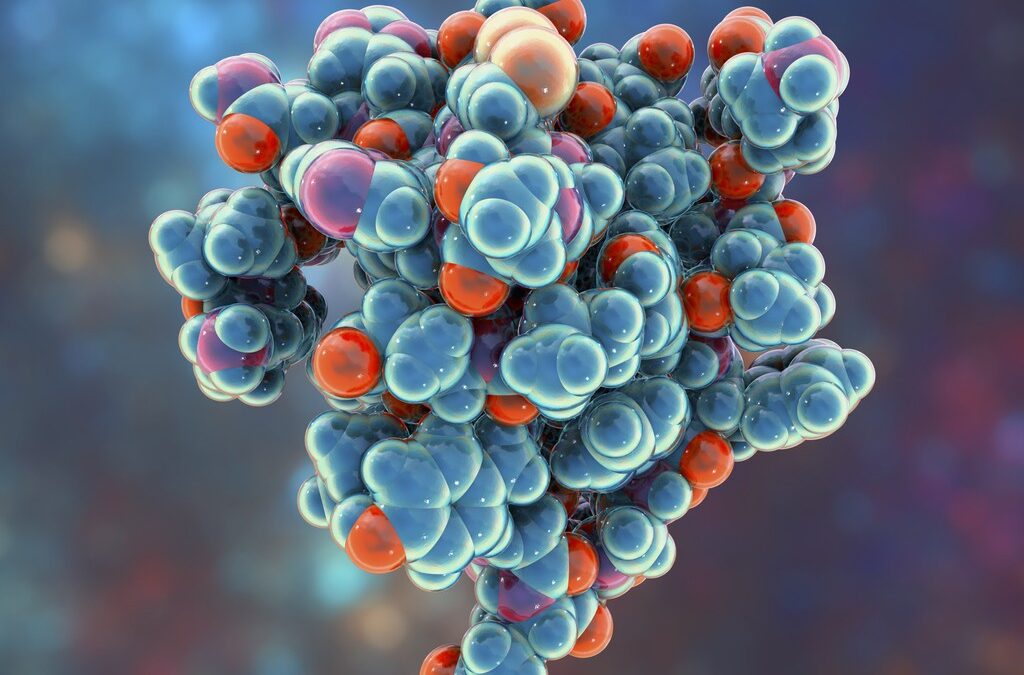
Nicotinamide Adenine Dinucleotide or NAD+ is a coenzyme found central to almost all types of anabolic and catabolic biochemical reactions. It is present in cells and was first discovered by Sir Arthur Harden in a boiled yeast extract. The structure of NAD+, as indicated by its name, consists of two covalently bonded mononucleotides, one of which consists of Adenine nucleobase and the other consists of Nicotinamide.


What is the Primary Biological Necessity of NAD+?

Electrons are a considered to be a strong source of energy. Their transport, loss, or gain is a source of energy. This energy drives most biological processes. Nicotinamide Adenine Dinucleotide has been regarded by researchers as the main shuttle bus that transfers electrons between molecules and cells inside living organisms. It appears to participate in all the vital energy-producing chemical reactions. In addition to energy production, Nicotinamide Adenine Dinucleotide has been speculated to regulate the circadian and sleep/wake cycle.


Natural Changes in NAD+ Levels

Cell aging is considered to result from a gradual decline in endogenous Nicotinamide Adenine Dinucleotide levels, indicating that low levels of NAD+ may contribute to some age-related diseases. Research suggests that DNA damage, one of the hallmarks of cell aging, may activate a family of enzymes called PARPs. The PARPs repair the damaged DNA by using NAD+. With more damaged DNA during cell aging, the PARPs may consume more Nicotinamide Adenine Dinucleotide resulting in a decline in concentration.

Research also suggests that immune system activity increases with cell aging via the activation of different enzymes. Since these enzymes use NAD+ in some ways, immune system overactivity may potentially reduce NAD+ levels.

Sirtuins are another class of proteins associated with function cell turnover and autophagy by bringing about the genetic repair of chromosomes. These sirtuins have been speculated to employ NAD+ and hence, may potentially be reduced in their concentrations over time.


Nicotinamide Adenine Dinucleotide (NAD+) Research Implications

Extensive investigations have been done on the potential implications and actions of NAD+. According to these studies, Nicotinamide Adenine Dinucleotide has been linked to processes in cardiovascular function, nervous system function, muscle cell activity, cell aging, and certain metabolic disorders. Researchers speculate that a decrease in the levels of Nicotinamide Adenine Dinucleotide may be associated with the onset of various disorders. Significant research has suggested that an increase of NAD+ levels may provide certain protective characteristics against various metabolic and neurodegenerative disorders.

Nicotinamide Adenine Dinucleotide may regulate muscle activity, cell growth, and sustainability. Several studies on muscle tissue from mice have indicated that high levels of NAD+ in the muscle tissue are associated with improved muscle cell function and development. Nicotinamide Adenine Dinucleotide has been suggested to improve muscle cell function and activity by upregulating mitochondria in the muscle cells. Since mitochondria are the powerhouse driving all the energy-requiring processes in the muscle cells, improving their function may directly impact muscle cells.

The elastic degeneration of the walls of arteries is one of the most common pathologies associated with cardiac dysfunction. Research on mice has suggested that boosting NAD+ levels may improve cardiac functioning. By maintaining the levels of NAD+ at the baseline, researchers appeared to have reduced the overall risk of heart enlargement, ischemic death, and injury in the murine models.


Disclaimer: The products mentioned are not intended for human or animal consumption. Research chemicals are intended solely for laboratory experimentation and/or in-vitro testing.  Bodily introduction of any sort is strictly prohibited by law.  All purchases are limited to licensed researchers and/or qualified professionals. All information shared in this article is for educational purposes only.

Adipotide Peptide (FTPP) and its Metabolic Potential

Adipotide Peptide (FTPP) and its Metabolic Potential

What Is Adipotide (FTPP)?

Adipotide, also known as Prohibitin-TP01 and abbreviated as FTPP, is a synthetically made proapoptotic peptide with a unique function, potentially targeting and affecting various types of fat cells. Speculative research suggests that Adipotide might aim to reduce the number of fat cells by impacting the blood supply to adipocytes. It is suggested to target proteins present on the walls of blood vessels supplying adipocytes, potentially interfering with and disrupting the blood supply, resulting in the reabsorption and metabolism of fat cells.

According to research, Adipotide FTPP might selectively target the blood vessels supplying fat cells while potentially sparing other blood vessels responsible for supplying organs and tissues. Research conducted on monkeys, indicates that Adipotide may be associated with weight loss and potentially influence insulin sensitivity, thereby speculatively contributing to the management of conditions like type 2 diabetes.


Weight

Starting in 2011, research was initiated on Adipotide to explore its potential impact on weight loss. Details from preclinical research on Rhesus monkeys suggest that the exposure to Adipotide resulted in a targeted and highly selective apoptosis of blood vessels supplying white fat adipocytes. This process lead to the ischemic death of affected adipocytes, causing significant weight loss.

Researchers have suggested an intriguing side effect, where exposure to Adipotide reduced weight through fat loss and also decreased overall food consumption in test animals, suggesting a role in appetite reduction and weight loss. The selectivity of Adipotide in targeting the vasculature of fat cells suggests that the presence of a protein receptor called Prohibitin might play a role. Prohibitin is considered to be selectively present in the vasculature of fat and cancer cells, and Adipotide may interact with this protein to induce apoptosis in white adipocytes.


Cancer

The sustenance of cancer cells might depend on their blood supply. In cancer research, targeting the blood supply of cancer cells has been explored. Adipotide has been suggested to interact with protein receptor Prohibitin, found on the walls of blood vessels supplying cancer cells. Adipotide might target cancer cells, leading to their death by ischemia.

Considering that pProhibitin is selectively present in cancer and fat cells, the study of Adipotide in anti-cancer research might yield positive results, as suggested by advanced studies which indicate that Adipotide selectively targets cancer cells while protecting surrounding cells and tissues.


Glucose Tolerance

Glucose tolerance refers to the biological response of higher-than-usual glucose levels. A test called OGTT, or the oral glucose tolerance test, measures this response through introduction of a set amount of high glucose and measuring corresponding blood glucose levels. Research suggests that if Adipotide leads to significant weight loss by burning white adipocytes, it might potentially contribute to changes in body mass index and, speculatively, improved insulin sensitivity. In essence, Adipotide might cause a decline in fatty cells and could potentially lead to fat loss.


Disclaimer: The products mentioned are not intended for human or animal consumption. Research chemicals are intended solely for laboratory experimentation and/or in-vitro testing.  Bodily introduction of any sort is strictly prohibited by law.  All purchases are limited to licensed researchers and/or qualified professionals. All information shared in this article is for educational purposes only.

Syn-AKE and Cell Regeneration

Syn-AKE and Cell Regeneration

What Is Syn-AKE Peptide?

The Syn-AKE peptide is a synthetic analog of the protein Waglerin-1. It is a 21 amino acid protein isolated from tropidolaemus wagleri. However, Syn-AKE includes only three of the amino acids which are present in the original endogenous sequence. It represents the perceived active portion of the protein and appears to produce similar action as that of the original Waglerin-1, but researchers assert that it appears to act in a controlled way.


What Are Syn-peptides?

Syn-peptides are synthetically developed peptides similar in structure to a naturally occurring peptide. They typically appear to assume the action of the naturally occurring form. Peptides are short proteins which research posits may indeed be short enough to cross the skin barrier in certain organisms.


How Does Syn-AKE Peptide Work?

Syn-AKE peptide is designed to mimic paralytic action. The Syn-AKE peptide was developed with close structural similarities to the Waglerin-1 peptide. The Waglerin-1 peptide was proposed to induce paralysis in laboratory studies, and the synthetic peptide may potentially produce a similar effect via its chemically similar structure. Researchers believe the molecule may small enough to penetrate the skin barrier. However, only tiny quantities of the molecule has been hypothesized to be able to penetrate muscle cells beneath the skin structure.

Waglerin-1 has been proposed by various researchers to induce sodium uptake by muscle cells by interacting with the mnAchR receptor. Preventing sodium uptake may block the transmission of nerve impulses to the muscles, and the muscles remain relaxed.


Disclaimer: The products mentioned are not intended for human or animal consumption. Research chemicals are intended solely for laboratory experimentation and/or in-vitro testing.  Bodily introduction of any sort is strictly prohibited by law.  All purchases are limited to licensed researchers and/or qualified professionals. All information shared in this article is for educational purposes only.
Overview of AICAR Peptide Research

Overview of AICAR Peptide Research

AICAR, an acronym for 5-aminoimidazole-4-carboxamide ribonucleoside, poses as a short-sequence peptide. Researchers suggest that it functions as an AMP kinase (AMPK) activator, playing a potential role in metabolic pathways and energy homeostasis. The AICAR peptide may be involved in the regulation of insulin receptors and the control of muscle cell responses to insulin.


AICAR’s Involvement in Insulin Resistance

Research study claims suggest that inflammation in adipose tissue might lead to alterations in insulin sensitivity. Research speculates that mitigating this inflammation may hypothetically enhance glucose metabolism and homeostasis without notable alterations in weight. AICAR, through unspecified pathways related to SIRT1 and macrophages, is speculated to have a role in reducing inflammation in adipose tissue. In research involving undisclosed diabetic and control mice, AICAR has been linked to a reduction in inflammatory responses by activating AMP kinase. This activation may potentially improve insulin sensitivity, energy homeostasis, lipid metabolism, and inflammatory markers.


Insights into Anti-Cancer Research and AICAR

AMPK’s conjectured impact on tumor growth and spread is presumed to be variable in different contexts. Supposedly, in certain instances, it might slow down tumor invasion, while in others, it might accentuate tumor growth. Some research implies that extended activation of the enzyme might hypothetically lead to cancer cell death by slowing cancer cell metabolism, rendering them more susceptible to environmental influences. Scientists are exploring the potential of AICAR peptides alongside other anticancer compounds to evaluate possible effectiveness against cancer cell proliferation.


AICAR Peptide and Anti-Inflammatory Action

The purported anti-inflammatory potential of AMPK activators have been the subject of exploration. AICAR, sharing potential metformin-like actions in various inflammatory conditions, is speculated to hold promise in autoimmune and inflammatory disorders. Studies in mice suggest that AICAR might decrease inflammation in colitis models. This anti-inflammatory potential may be attributed to its role as a central inhibitor of immune responses, potentially reducing nuclear factor kappa B (NF-κB) activation in macrophages and certain cytokines.


AICAR Peptide and the Heart

Inflammation of cardiovascular tissue is presumed to be the primary pathology in numerous heart diseases, including atherosclerosis. Inflammation and vascular smooth muscle proliferation may be critical factors in the failure of stent placement and other cardiovascular conditions. Therefore, controlling vascular inflammation may hypothetically reduce both short-term and long-term complications of stent placement without resorting to alternative compounds that might increase bleeding risk.

The main hypothesis that researchers hold for the AICAR peptide is that via AMPK activation, the peptide may potentially suppress specific immune responses assumed to lead to atherosclerosis. In this scenario, AICAR might mitigate the supposed risk of developing atherosclerotic plaques resulting from macrophage proliferation, hypothetically reducing the prevalence of heart diseases.


Disclaimer: The products mentioned are not intended for human or animal consumption. Research chemicals are intended solely for laboratory experimentation and/or in-vitro testing.  Bodily introduction of any sort is strictly prohibited by law.  All purchases are limited to licensed researchers and/or qualified professionals. All information shared in this article is for educational purposes only.

PTD-DBM Research in Hair Follicle Regeneration

PTD-DBM Research in Hair Follicle Regeneration

PTD-DBM peptide, or Protein Transduction Domain-fused Dishevelled Binding Motif, is the latest peptide in a series of potentially groundbreaking synthetically developed amino acid chains. It is an artificial peptide that researchers suggest might significantly influence hair follicle growth.


PTD-DBM Peptide Discovery

In South Korea, researchers conducted studies on a condition referred to as androgenetic alopecia. Research into this condition reportedly prompted Professor Choi Kang-yeol of Yonsei University and a team of researchers to explore a protein associated with follicle loss in androgenetic alopecia, namely CXXC5. The protein’s identification led to the discovery of the PTD-DBM peptide, which researchers suggest might interact with this protein to potentially alter the mechanism of follicle loss in the disease. It is also speculated to indirectly promote hair follicle growth in lab animals exposed to the peptide.


Mechanism Of Action

PTD-DBM peptide purportedly interferes with an endogenous protein, CXXC5, believed to be involved in the mechanism of hair loss. CXXC-type zinc finger protein 5 (CXXC5) is described as a negative regulator of the Wnt/β-catenin pathway, a key pathway in wound healing and hair regeneration. Allegedly, the protein CXXC5 binds to the Dishevelled protein, impeding the growth of hair follicles and leading to hair loss. This is the point at which research into the PTD-DBM peptide may become relevant, as it is suggested to activate the Wnt/β-catenin pathway by interfering with the binding of CXXC5 with the Dishevelled (Dvl) protein. The claim is that PTD-DBM may promote the growth of new hair follicles and potentially inhibit the loss of existing follicles. Moreover, there are speculative assertions about its ability to induce wound repair through wound-induced hair neogenesis (WIHN).


PTD-DBM Peptide In Wound-Healing

The Wnt/β-catenin pathway is considered common to cutaneous wound healing, dermal fibrosis, and follicle regrowth. Researchers suggest that CXXC-type zinc finger protein 5 (CXXC5) may serve as a negative feedback regulator of the Wnt/β-catenin pathway by interacting with the Dishevelled (Dvl) protein. The speculation researchers have made is that the PTD-DBM peptide may act as a common link between the protein CXXC5 and the Wnt/β-catenin pathway. Experiments on laboratory animals imply that inhibiting the CXXC5 protein might lead to accelerated cutaneous wound healing and enhanced keratin 14 and collagen synthesis. The assertion is that the PTD-DBM peptide links with the protein CXXC5, interfering with the regulation of the Wnt/β-catenin pathway and bringing about the wound-healing potential of the peptide.


Disclaimer: The products mentioned are not intended for human or animal consumption. Research chemicals are intended solely for laboratory experimentation and/or in-vitro testing.  Bodily introduction of any sort is strictly prohibited by law.  All purchases are limited to licensed researchers and/or qualified professionals. All information shared in this article is for educational purposes only.